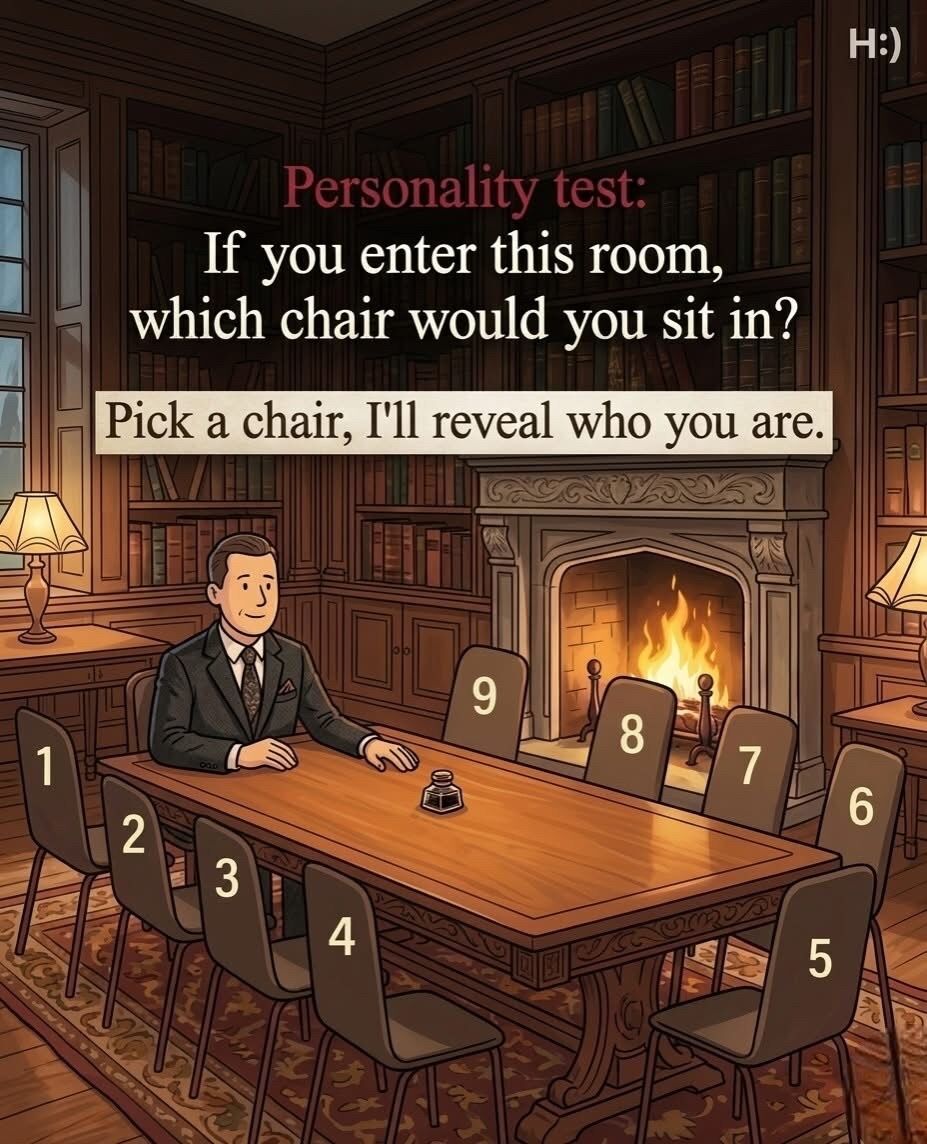
roles depending on the social setting. Guests of honor may be placed close to the host as a sign of respect, while close friends or relatives naturally settle near each other where conversation flows easily. These arrangements are not always formally planned, yet they often follow cultural habits that have developed over generations. In many families, children learn these patterns simply by observing where people tend to sit during gatherings. Over time, these seating traditions become part of the family identity itself. Certain chairs may even become associated with particular individuals—grandparents who always sit near the window, a sibling who prefers the chair closest to the kitchen, or a parent who habitually occupies the same place every evening. Through repetition, these positions gain emotional significance, turning ordinary chairs into familiar landmarks within the shared life of the household.
Seats located in the middle of the table often create the most