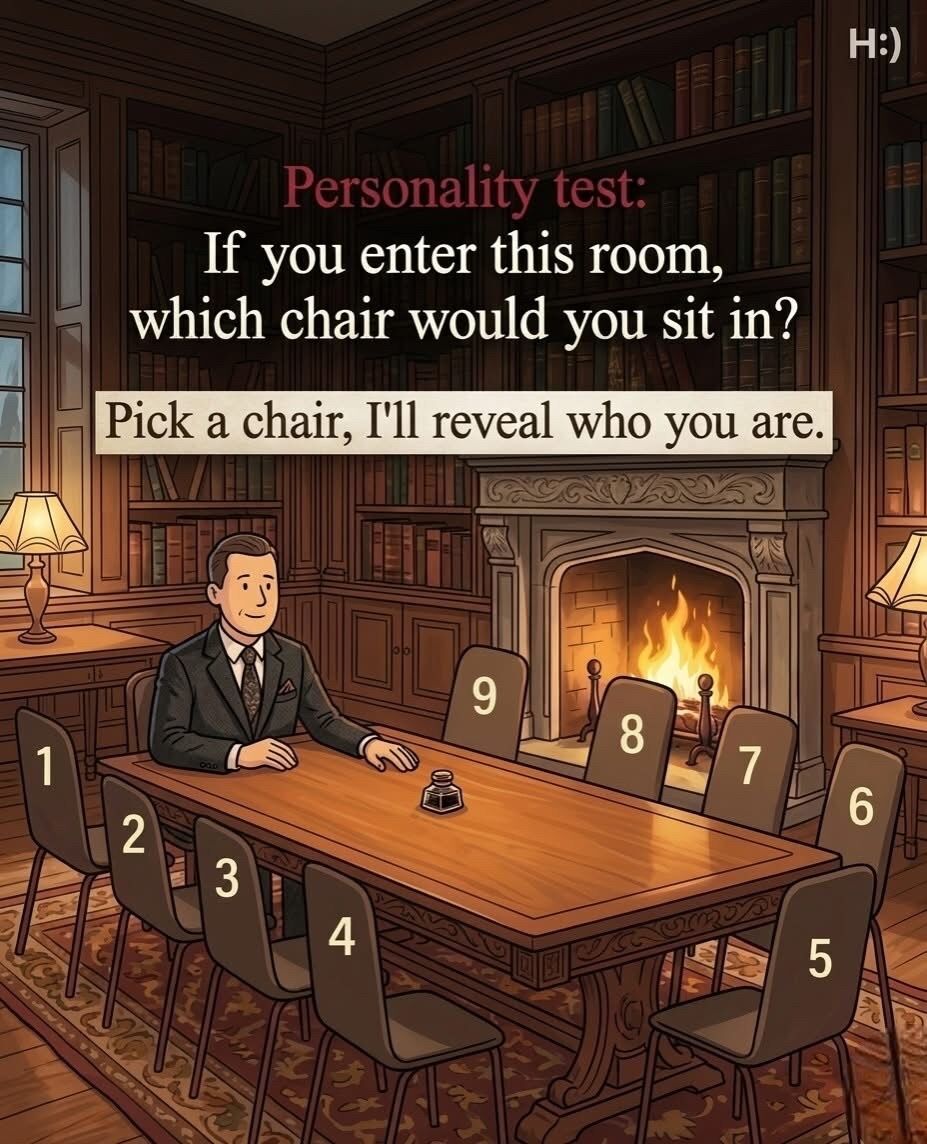
members drift toward familiar positions, and guests often look for subtle cues from the host about where they belong. Although these patterns may seem unplanned, they reflect a deeper instinct for social harmony. People choose places that help them feel included while also maintaining balance within the group dynamic.
Across cultures and traditions, seating arrangements around a table often carry symbolic meanings. In many households and formal gatherings, the head of the table is associated with leadership or hosting responsibilities. The person occupying that seat typically guides the flow of the meal, ensuring everyone feels welcomed and included. Their role is not simply about position but about care—checking that dishes are shared evenly, that conversations remain welcoming, and that guests feel comfortable. The head of the table becomes a subtle organizer of the experience, influencing the atmosphere through attentiveness and hospitality. Other seats around the table also take on distinctive