depends on size, location, growth rate, and wall integrity. For example, larger aneurysms or those in certain brain arteries have a higher likelihood of rupture. Physicians may recommend monitoring (imaging follow-up) or preventive treatment (e.g., surgical clipping or endovascular coiling) based on individualized risk assessment.
What Actually Happens in an Aneurysm?
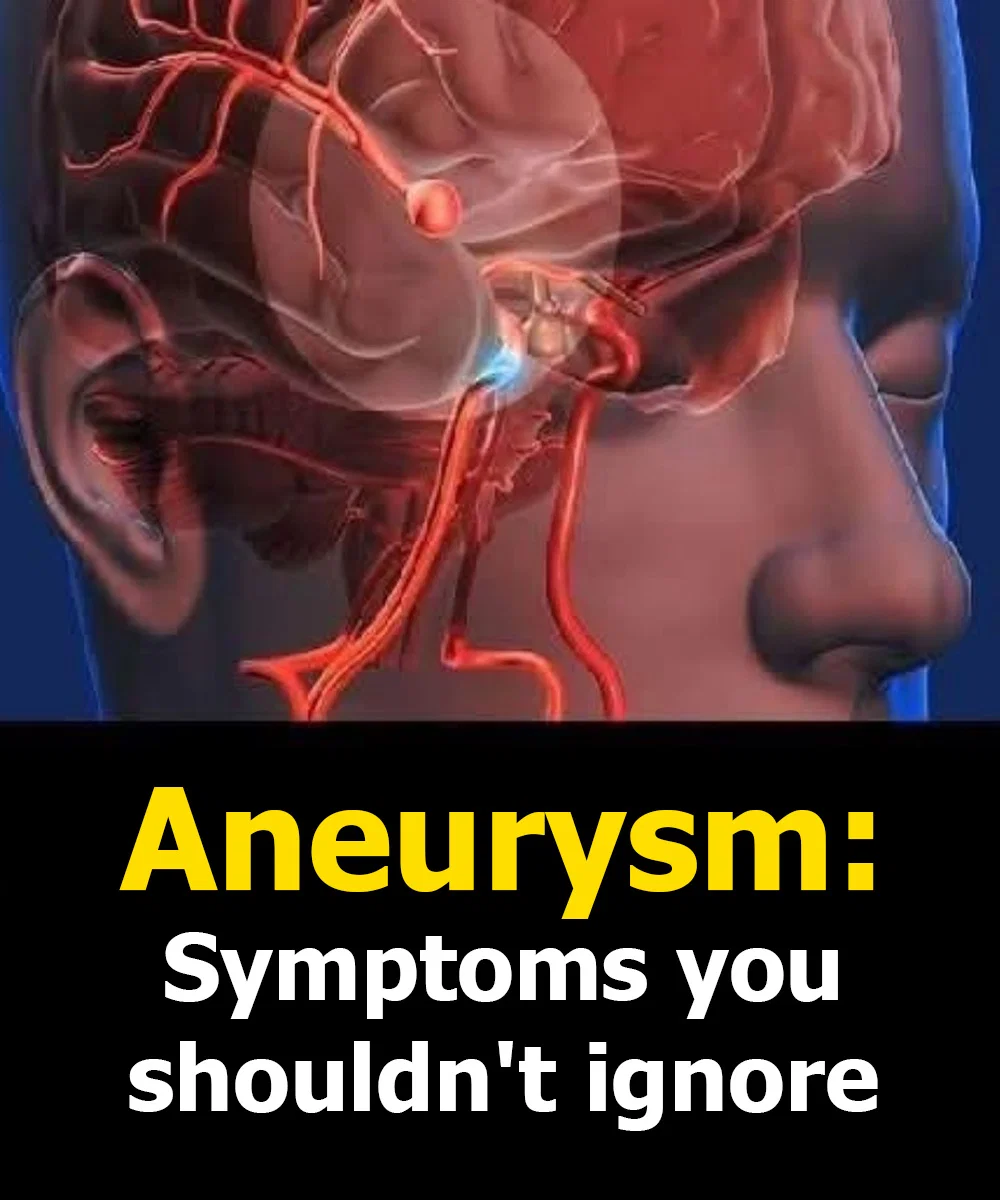
At its core, an aneurysm forms when a section of a blood vessel wall becomes weakened and begins to bulge outward under pressure. This weakening involves:
Loss of structural proteins (like collagen and elastin)
Chronic inflammation of the