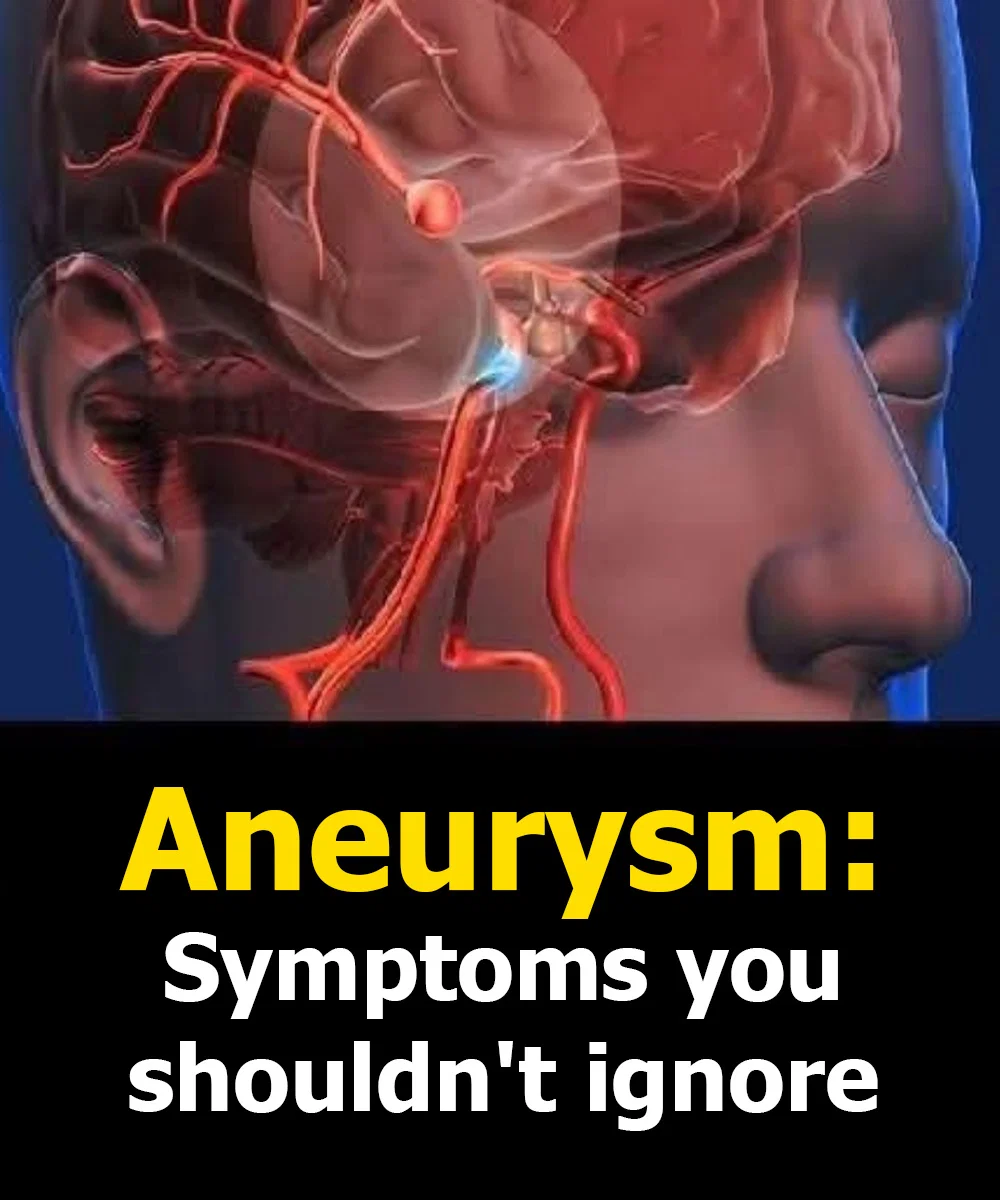
no symptoms. But the arterial wall at the aneurysm site is structurally weakened. Over time, hemodynamic stress (the force of blood flow) can thin the wall further. When the wall fails, it can lead to rupture, causing internal bleeding—such as a subarachnoid hemorrhage in the brain—which is a medical emergency.
Myth 3: “A headache is just a headache.”
Fact: A sudden, severe headache can signal a ruptured brain aneurysm.
The science:
Patients often describe it as the “worst headache of my life.” This pain is caused by blood rapidly irritating the meninges (the brain’s protective layers). It may be accompanied by nausea, neck stiffness, light sensitivity, or loss of consciousness. This is not a typical tension or migraine headache—it requires immediate emergency care.
Myth 4: “Healthy people don’t have to worry.”
Fact: You can appear healthy and still have an aneurysm.
The science:
Aneurysms can develop silently due to microscopic