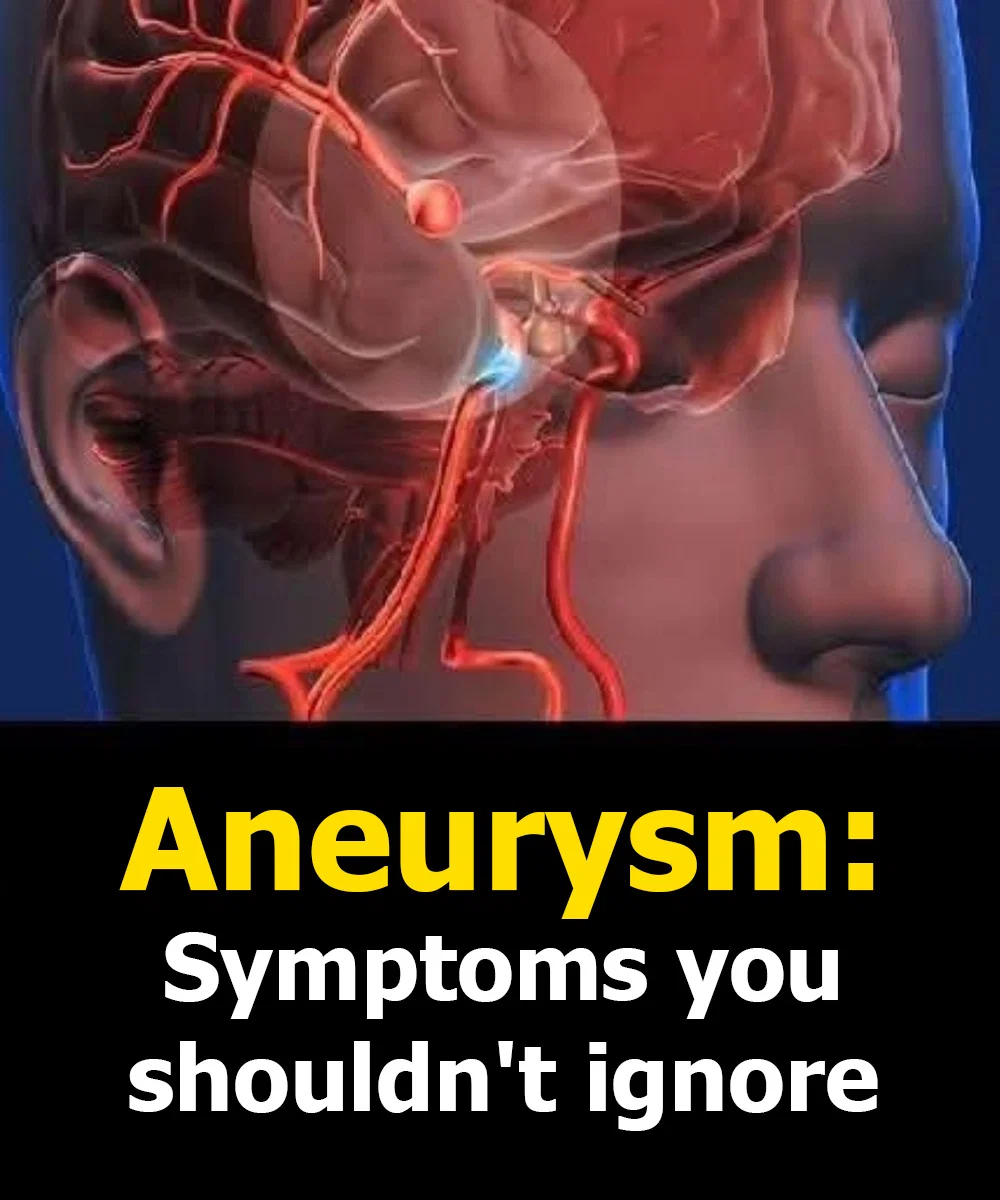
develop earlier due to genetic predisposition, connective tissue disorders (e.g., Ehlers–Danlos syndrome), or congenital vessel weaknesses. Lifestyle factors—especially smoking and uncontrolled hypertension—accelerate vascular damage regardless of age.
Myth 2: “If there are no symptoms, it’s not dangerous.”
Fact: Many aneurysms are asymptomatic—until they rupture.
The science:
Small or stable aneurysms often don’t press on nearby structures, so they cause